Patent an Invention and
Secure your Monopoly
To patent an invention, or to rely on the confidentiality of others?!
The choice is yours. If the "others" are all marooned for life on a secluded island, the latter option will probably work.
But this means that the possibilities for licensing or selling the invention are more limited.

On the other hand, the patent route ensures that your secret is put into the public domain whilst being protected for a limited period. That's the deal: you get a monopoly but you must disclose the invention.
Many entrepreneurs have made fortunes from patented ideas. If you need to patent an invention, please refer to our patent main page for the various steps and an overview on How to Get a Patent
You can also find links to the patent offices in various countries on our Intellectual Property Resources page.
How to Make Money When You Patent an Invention
A patent is an exclusive right (monopoly) granted for an invention for a specific period of time - normally 20 years after the first application. This exclusivity means that nobody else can utilize that invention in any way.
Having been granted a patent, you can market your invention yourself in any way you wish. You can also capitalize on the fact that a patent is a property that:

- Can be sold (assigning all the rights to it); or
- Can be licensed for use by others, by paying royalties.
After expiry of that specific period of time, it's a free for all. (However, there are possibilities for patents of addition so you should be cautious if intending to exploit someone's invention once out of its patent.)
Although you can patent it yourself, you should consult with copyright / patent / trademark attorneys to assist you with the commercialization of your patent. They will draw up agreements to best protect your interests, whichever way you decide to make money from your invention.
Ask for their recommendation as to a reputable marketing company, how to find investors for your invention, how to set up manufacturing and which legal entities to register.
Before signing up with an invention marketing company, ask them about their success rate with commercializing inventions.
How to Enforce your Patent Rights
Although the State grants a patent, it does not automatically enforce it. Enforcement is up to the patentee, the rights holder in other words.
Now, would you remove your own tonsils? Patent infringement is a technical and specialized field of the law, and it is virtually essential to seek suitably qualified legal counsel to enforce your rights in the appropriate courts.
Remember, with counterfeiting so rife, it is crucial right from the start to do your patent application in an internationally acceptable way when you patent an invention. Experienced patent attorneys can see to this.
Also, if an invention came about in the course and within the scope of your employment, generally, your employer will have the rights to patent an invention. This aspect must be canvassed with the attorney at the outset.
What is the Lifespan of a Patent?
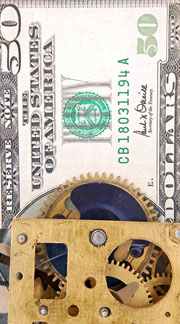
When you patent an invention the clock starts ticking from the time you file the first application. In general, a patent is granted for 20 years.
You have to pay an annual renewal fee which kicks in after a period of grace (2 -3 years). This fee is fixed, whatever the earnings from the invention and is a relatively small amount to pay. The onus is on you to pay the renewal fee annually on the anniversary of the patent.
The State does not send out notices to pay!
A patent cannot be renewed. Once the patent expires the invention is in the public domain.
What does not qualify as a Patent?
When you patent an invention, you get exclusive rights for something new which can be used or applied in trade and industry and agriculture, and for the innovative ways in which it operates or how it is constructed.
The appearance or physical form (i.e. shape) of an object can be protected by a Design Patent, a separate kind of intellectual property right and you can also Patent a Plant.
According to the statutes, patents cannot be granted for the following:
- a discovery;
- a scientific theory;
- a mathematical method;
- a mental act, playing a game or ways of doing business. (Note: Business methods may be patentable in the US but not in most European or African countries.)
- a program for a computer.
However, there may be other protection available in different countries – copyright for example, in the case of computer programs.
Also, whatever the invention, you cannot patent an invention if is likely to encourage or promote immoral or offensive behavior.
You are here:
Does this site deserve your thumbs up?
Free Legal Documents
- Write Your Will
- Power of Attorney
- Parental Consent
- Promissory Notes
- Release of Liability
- Affidavits
- Bill of Sale
- Photography
- Employment
- Real Estate
- Room Renting
- Landlords
- Renter's Rights
- General Contractors
- Independent Contractors
- Franchises
Intellectual Property
Featured Legal Forms:



Free-Legal-Document.com does not sell any personal information. This site uses cookies for its operation and to enhance your experience. Privacy Policy
Copyright © 2004- Free-Legal-Document.com All rights reserved
Follow @FreeLegalDocs